Logic board and liquid damage repair
The deepest class of repair in the network. These jobs go only to benches with microscope and hot-air stations.
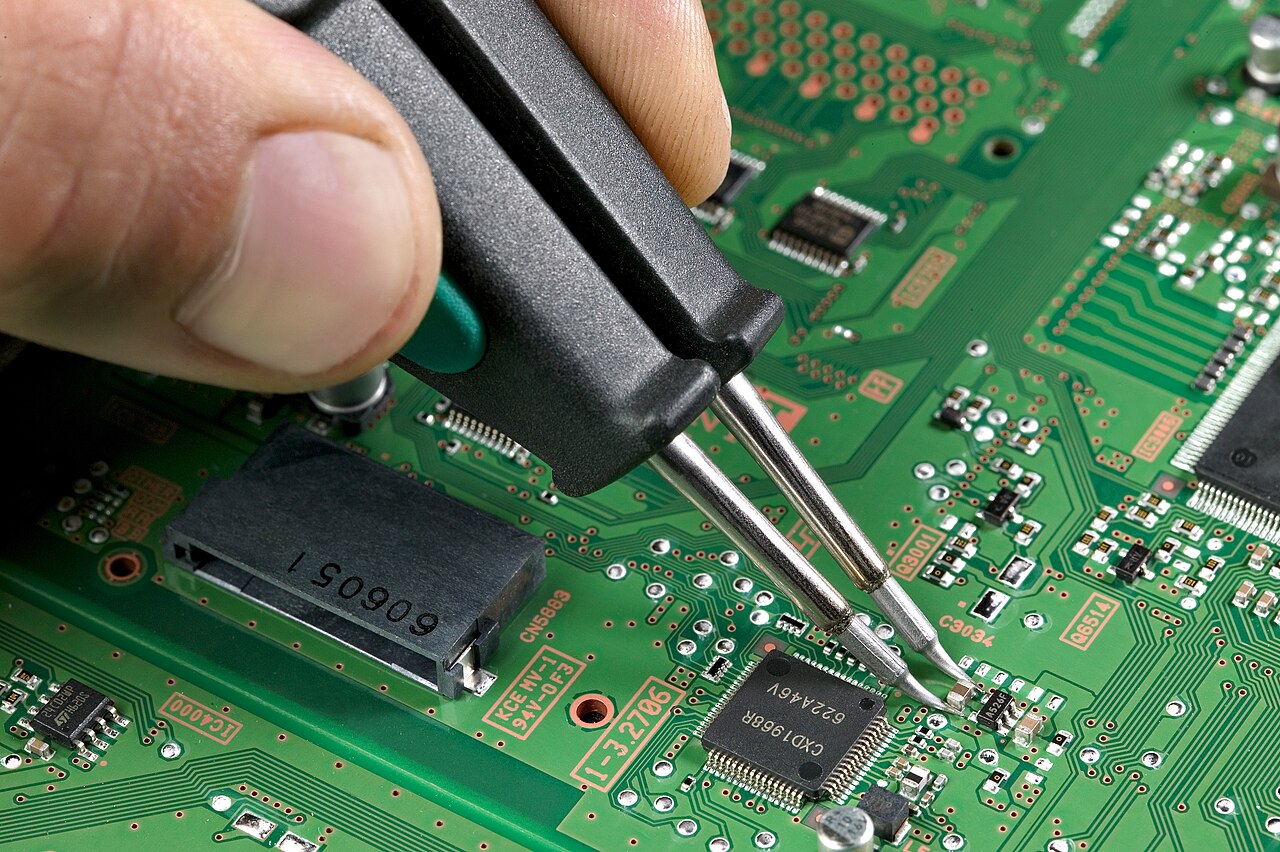
Logic board repair is not a part swap. It is fault finding at component level, where a technician measures rails, traces signals and replaces individual parts that are often smaller than a grain of rice. It is the reason some machines that would otherwise be written off run again, and it is the work that demands the most from a bench.
What belongs here
A machine that shows no sign of life. A unit that powers on only when a cable is held in a particular way. A board that draws current in the wrong pattern, which points to a shorted rail. Liquid damage, whether from a spill or from humidity, that has left residue across components. Failures after a repair elsewhere, where a connector or a pad was disturbed.
How the bench works
The technician begins with a visual check under magnification, looking for residue, corrosion or a lifted component. Then the board is measured with a meter to find where the expected voltages are missing or where current is being drawn when it should not be. Those readings narrow the fault to a section of the board, and the section is narrowed further until a specific part is identified.
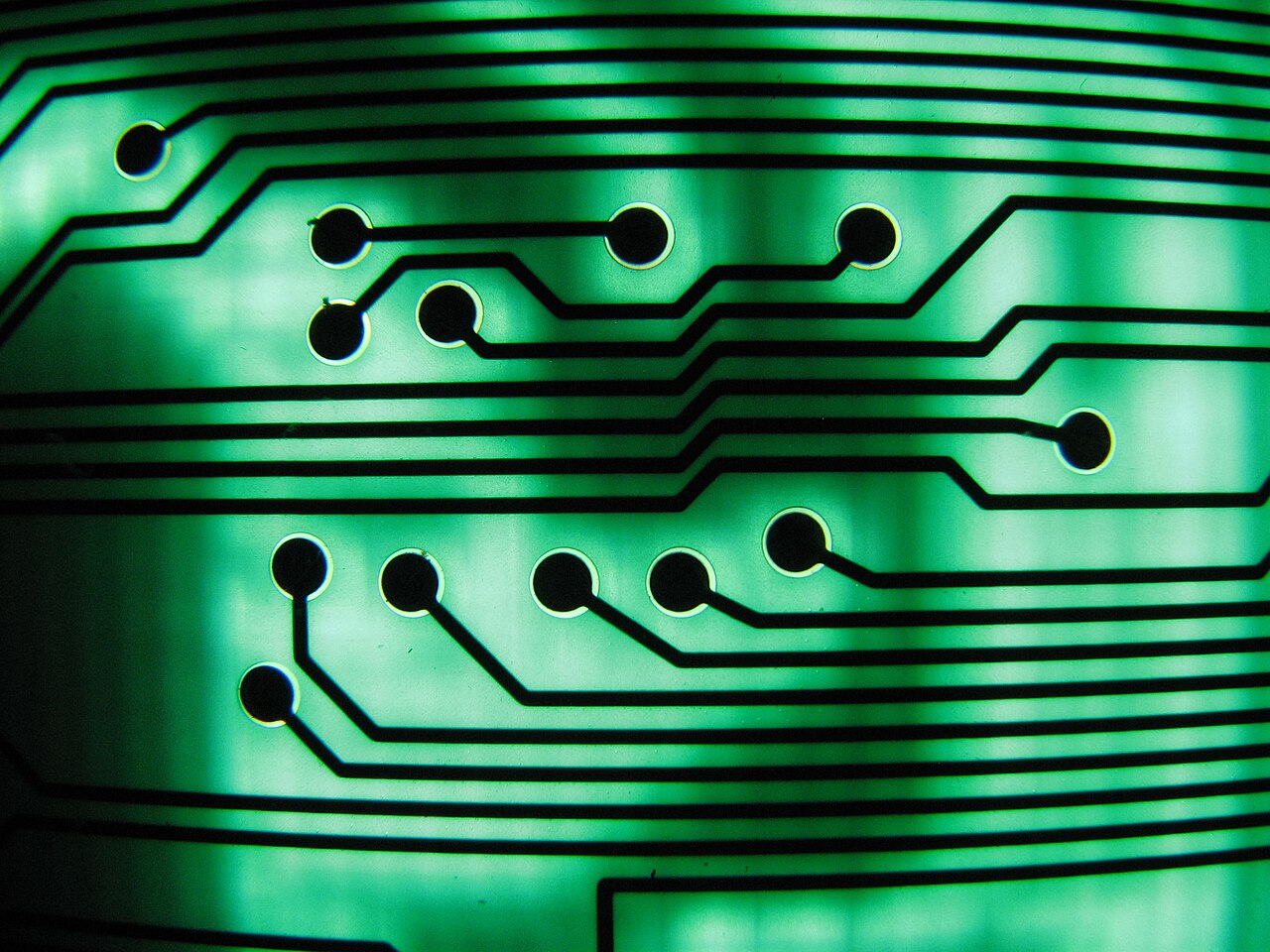
Liquid damage specifically
Liquid is the hardest case because the damage is rarely limited to where the spill landed. Fluid travels under components, and corrosion can keep spreading long after the machine has dried. A bench treats liquid jobs with a cleaning stage first, then measures, then repairs what the cleaning revealed. Sometimes a machine looks worse than it is; other times a machine that seems fine carries corrosion that will fail later. Honest benches explain which one you have.
Protection first
Power is removed and the board is stabilised before diagnosis begins.
Rail measurement
Each expected supply is checked so the fault is localised, not guessed.
Component repair
Failed parts are replaced with matched components under magnification.
Staged testing
The board is brought up in stages so a new fault does not hide the first one.
Realism about outcomes
Component-level repair carries more uncertainty than a panel or a cell. The diagnosis itself takes time, and some faults turn out to be uneconomic to pursue, for example when the damage covers a large area or reaches a part that cannot be sourced sensibly. A good bench says so plainly rather than stringing a customer along. Where a repair is not sensible, you get that answer early and you keep the diagnostic value of what was learned.
Estimates and timing
This class of work is priced after diagnosis, because the fault must be found before it can be costed. You receive a range when the job is matched and a firmer figure once the bench reports. Timelines are longer than for a battery or a screen, and mail-in adds shipping. The pricing page explains the factors and the warranty page covers parts and labour.
Send the fault description, your model and any spill history on the contact page, and a coordinator will place the job with a component-level bench.